Services

We provide high-quality chemical cleaning services

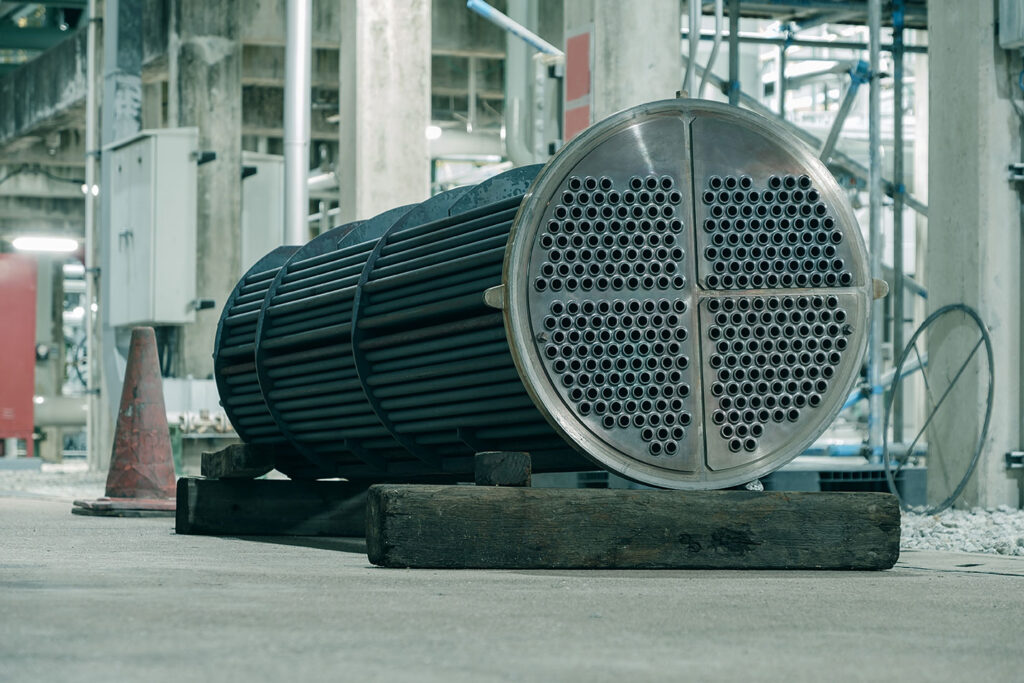
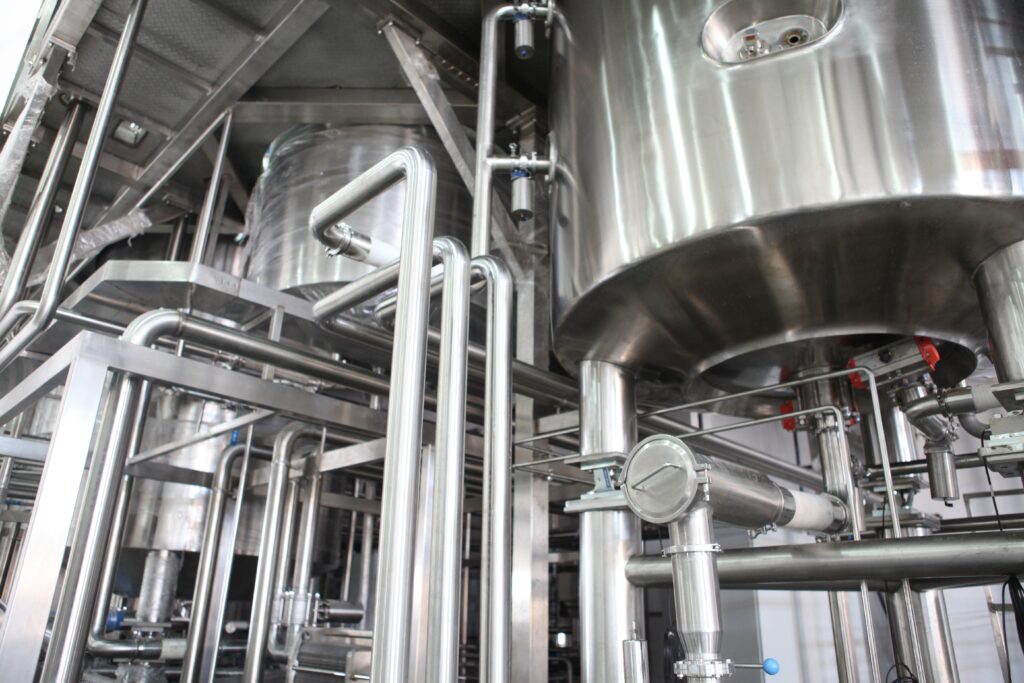
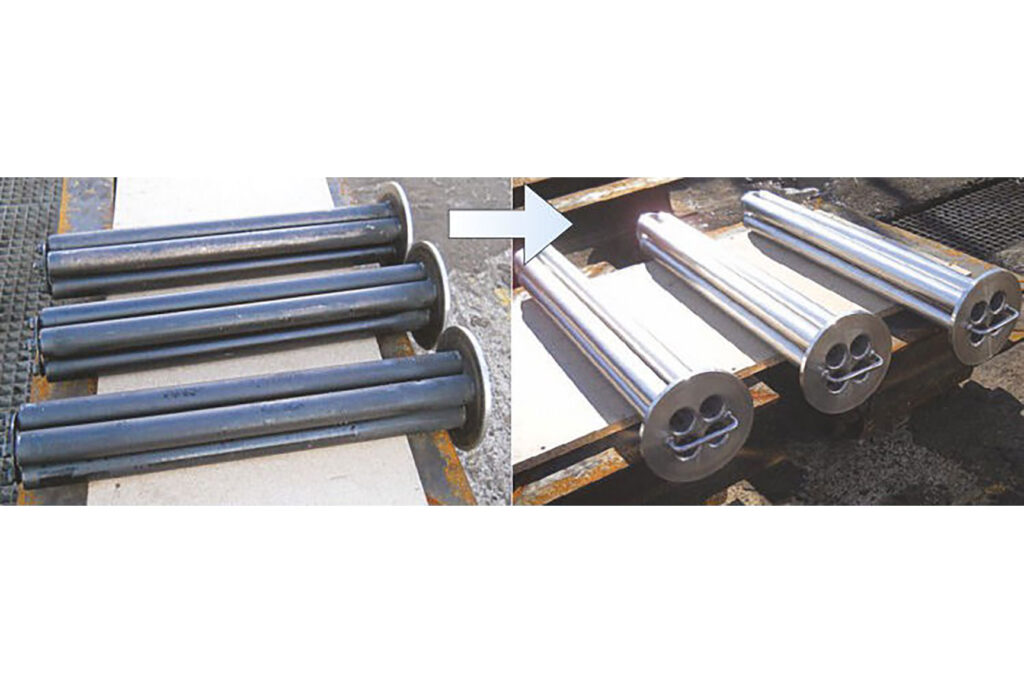
Chemical cleaning, is the technical process of cleaning installations using chemical products and is applied to the cleaning of equipment such as boilers, cooling networks, piping, tanks, cooling towers, heat exchangers and generally any equipment that contains and comes into contact with liquids. The goal of chemical cleaning is the removal of deposits, such as scale, grease, boiler scale, rust, petroleum residues, oils, etc.

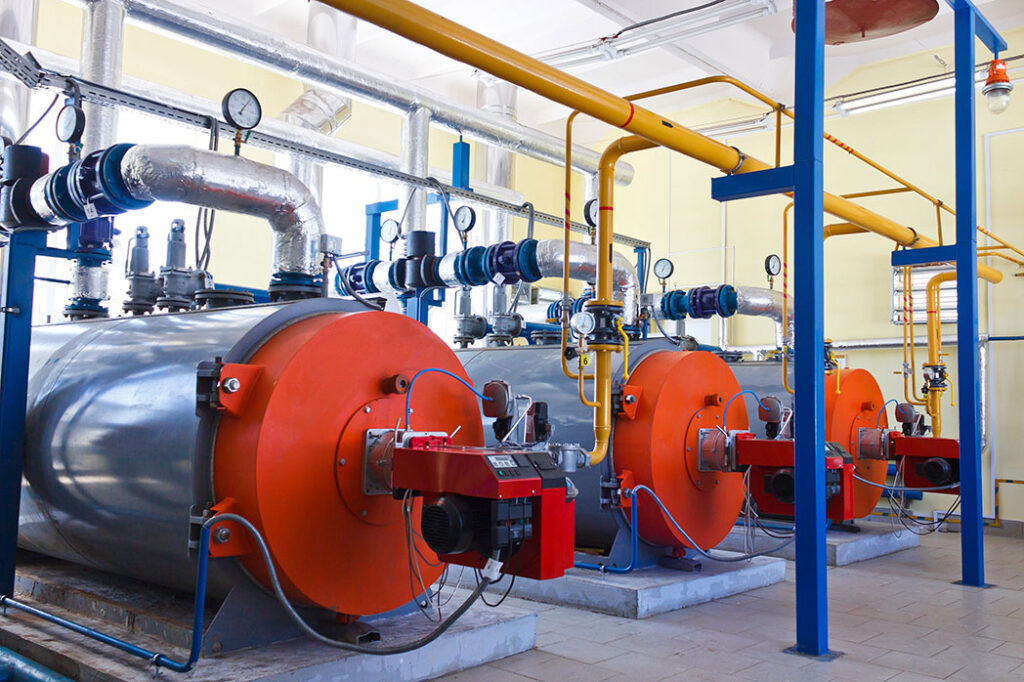
Scale deposition in the boiler reduces its operational efficiency.

Even more important than the loss 
of heat is the overheating of the boiler metals, caused by the presence of scale.

The result of these conditions is costly repairs and downtime 
for the boiler

Scale deposits reduce equipment operating efficiency because all types of deposits have a low thermal conductivity.

Scale forms a thin insulating film along the pipes where the transfer of 
heat takes place, thereby reducing its effectiveness.

Scale deposits reduce equipment operating efficiency because all types of deposits have a low thermal conductivity.

Scale forms a thin insulating film along the pipes where the transfer of 
heat takes place, thereby reducing its effectiveness.

Scale deposits reduce equipment operating efficiency because all types of deposits have a low thermal conductivity.

Scale forms a thin insulating film along the pipes where the transfer of 
heat takes place, thereby reducing its effectiveness.

Ultrasonic technology has been used for many years in the field of operations 
cleaning for the cleaning of heavily soiled equipment, such as filters (heavy fuel 
oil, etc.), cylinder heads, coolers, turbochargers, fuel injectors, etc.

This type of cleaning is applied using ultrasonic energy and is 
particularly suitable for removing deposits from hard-to-reach areas. For this purpose 
special chemicals and processes are required for each application.
Based on the standard
EIGA 33 Oxygen Cleaning – IGC DOC 33/06/E

WHY DO WE CARRY OUT CHEMICAL CLEANING?

  • Reduced thermal efficiency of heat exchange surfaces resulting in fuel and energy waste. 
  • Increased lifespan of the installation 
  • Upcoming detailed inspection for damage detection
  • Reduced fluid flow 
  • Introduction of safety-hazardous fluids into the system 
  • Introduction of health-hazardous fluids into the system 
  • Preliminary cleaning prior to introduction into the food system 
  • Preliminary cleaning before the introduction of sensitive substances into the system 
  • Preliminary cleaning to eliminate the possibility of problems during plant commissioning (pre-commission cleaning)